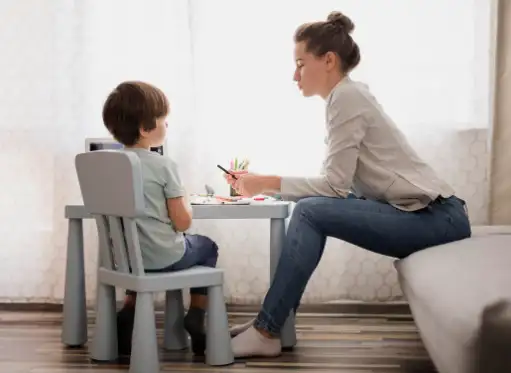
When your child has delays, school can feel like a wall instead of a doorway. Home therapy can change that. At home, your child practices skills in the rooms, routines, and moments that shape each day. This practice builds steady habits that carry into the classroom. You see what works. You learn simple steps to support speech, movement, and behavior. Your child gains comfort with learning, following directions, and staying with a task. Teachers look for these skills on the first day of school. Personal Health Care brings therapy into your living room, kitchen, and backyard. This support turns daily struggles into chances to grow. You do not wait for progress in a clinic. Instead, you watch it unfold during meals, play, and bedtime. Home therapy gives your child more control, more practice, and a calmer start to school.
Why school readiness matters for children with delays
School readiness is not about knowing letters or numbers. It is about how your child
- Communicates needs
- Handles change and stress
- Plays and works with other children and adults
The U.S. Centers for Disease Control and Prevention explains that children who build early language, play, and self help skills have stronger school outcomes and fewer behavior struggles. You can read more on the CDC developmental milestones page at https://www.cdc.gov/ncbddd/actearly/milestones/index.html.
For children with delays, these skills often grow more slowly. Early support at home can close gaps before they grow wider in the classroom.
How therapy at home fits into daily life
Therapy at home uses your routines as the setting for practice. You and your child work on goals during
- Meals
- Bath time
- Play
- Getting dressed
- Bedtime
Each routine becomes a short practice session. Nothing extra. No added pressure. Your child learns through real tasks, not worksheets. You gain clear steps to repeat when the therapist is not there.
Key school readiness skills you can build at home
You can use home therapy to build three core skill groups that matter for school.
1. Communication and language
In school your child must ask for help, follow directions, and share ideas. At home, therapy can focus on
- Understanding simple and two step directions
- Using words, pictures, or devices to request items
- Taking turns in simple conversation
- Listening during short story times
For example, during snack, you can pause and wait for a sound, sign, or word before handing over a cracker. This small pause grows request skills and patience.
2. Daily living and independence
Teachers look for children who can manage basic tasks with some help. Home therapy can build
- Toileting routines
- Handwashing
- Putting on and taking off simple clothing
- Feeding with a spoon or fork
- Cleaning up toys after play
Each of these skills reduces stress in the classroom. Your child feels more sure. Teachers can focus more on learning and less on crisis care.
3. Behavior, focus, and social skills
Classrooms are busy and loud. Children need practice staying calm, taking turns, and waiting. At home, therapy can shape
- Following a picture schedule for parts of the day
- Waiting a few seconds before getting a wanted item
- Sharing toys with a sibling or parent
- Using a calm down plan such as deep breaths or a quiet corner
These skills protect your child from shame and harsh discipline. They also protect learning time.
Home therapy and clinic therapy compared
| Feature | Home based therapy | Clinic based therapy
|
|---|---|---|
| Setting | Child’s own rooms and routines | New room with unfamiliar rules |
| Parent role | Active partner in every session | Often watches or waits outside |
| Practice chances | Many short practice moments each day | Practice limited to session time |
| Match to school tasks | Can copy school routines at home | Harder to copy real class routines |
| Child comfort | Familiar sounds and people | New people and rules to learn |
| Carryover to daily life | High. You repeat skills in real time | Lower. Skills may stay in the clinic |
What a home therapy visit can look like
Each provider and program is different. Still, a typical visit often follows three clear steps.
- Check in. You share wins and hard moments since the last visit. The therapist listens and adjusts goals.
- Model and practice. The therapist works with your child during a real routine. You watch, then try the steps. The therapist coaches you in real time.
- Plan next steps. You pick two or three small actions to use during the week. The plan fits your time and energy.
This process gives you power. You do not wait for experts to fix things. You lead change inside your home.
Partnering with schools and early intervention
Home therapy works best when it connects with school and early intervention services. You can
- Share home goals with teachers and therapists
- Ask for the same picture schedule or calm down plan in both places
- Use school reports to guide home practice
The U.S. Department of Education explains your rights and options under special education law for young children at https://sites.ed.gov/idea/parents-families/. This resource can help you ask for supports that match what you do at home.
How you can support school readiness today
You can start with three small steps.
- Pick one daily routine. Add one simple skill to practice. For example, handwashing before snack.
- Use clear, short phrases. Say the same words each time. This builds understanding.
- Notice and name effort. A short “You waited” or “You tried” can lift your child.
Change often feels slow and heavy. Yet each small practice in your home shapes how your child will walk into a classroom. With steady home therapy and your daily support, school can become a doorway your child can step through with more strength and less fear.
Also Read: How Scenario Based Training Prepares PCAs for Real-World Challenges