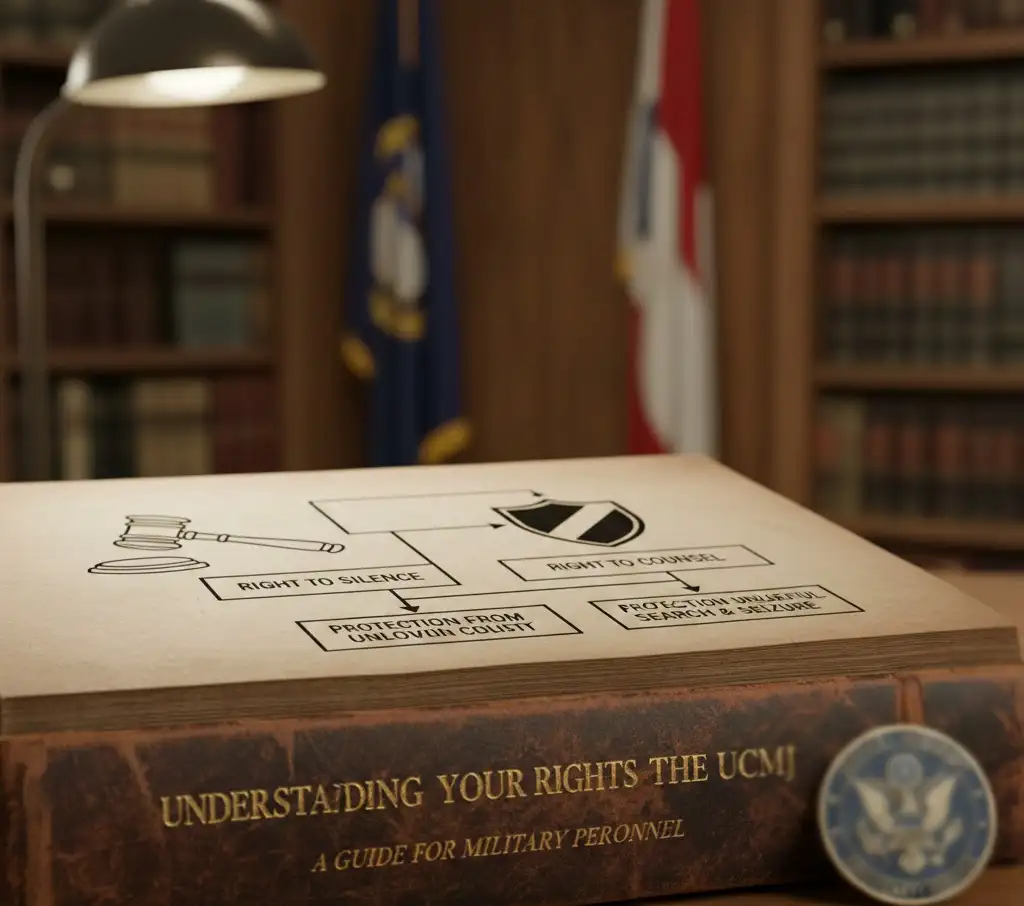
You serve under a strict code. The Uniform Code of Military Justice, or UCMJ, shapes your life on and off duty. You may face orders, investigations, or charges that feel confusing or frightening. You do not have to face them alone. You have rights. You have choices. You have a path through this process. This blog explains how the UCMJ works, what you can say, what you can refuse, and when to stay silent. It also shows what to expect from command, investigators, and military lawyers. You will see how to protect your rank, pay, and record. You will also learn when to seek help outside your chain of command, including resources like defendyourservice.com. Fear grows in the dark. Clear facts cut through that fear. When you know your rights under the UCMJ, you can stand steady, speak clearly, and guard your future.
Know the Basics of the UCMJ
The UCMJ is the law for the armed forces. It covers crimes, rights, and punishments. It applies to you on duty and off duty. It still applies during deployment, training, and leave.
You need three core facts.
- The UCMJ is federal law passed by Congress.
- Each service uses the same UCMJ but may use different rules for command actions.
- Your rights come from the UCMJ, the Constitution, and military rules of evidence.
You can read the UCMJ text on the U.S. Code website. You can also see key rights in the Military Rules of Evidence.
Your Right to Remain Silent
You do not have to answer questions about suspected misconduct. That includes questions from command, law enforcement, or inspectors.
Three key points guide you.
- You can say, “I want to remain silent. I want a lawyer.”
- You can repeat that line if questions continue.
- Your silence is not a confession.
If you start talking, you can still stop. You can say, “I do not want to answer more questions.” Then you wait. You do not argue. You do not explain.
Your Right to Counsel
You have the right to free military defense counsel if you face court martial. You may also get advice during investigations or for nonjudicial punishment.
There are three main options.
- Detailed military defense counsel at no cost.
- Military defense counsel of your choice if available.
- Civilian counsel at your own expense.
You can ask how to contact defense services through your legal office. You can also seek outside guidance through sites such as defendyourservice.com.
Rights During Investigations
Investigations can feel heavy. You may fear every word and every look. You still have clear rights.
You have three key protections.
- You can know the general nature of the suspected offense before questioning.
- You can refuse consent to search your phone, room, or car.
- You can ask if you are free to leave and then leave if they say yes.
If agents or command want to search without consent, they may seek a warrant or authorization. You do not have to argue. You only state, “I do not consent to a search.” Then you step back.
Comparison of Common UCMJ Actions
| Action | Who Decides | Possible Outcomes | Rights You Keep
|
|---|---|---|---|
| Verbal Counseling | Immediate supervisor | Warning or plan for improvement | Right to respectful treatment. Right to seek legal advice. |
| Written Reprimand | Command | Letter in file. Impact on career. | Right to respond in writing. Right to seek legal review. |
| Nonjudicial Punishment (Article 15) | Commanding officer | Extra duties. Reduced pay. Grade reduction. | Right to know charges. Often right to refuse and demand court martial. Right to present evidence. |
| Summary Court Martial | Summary court officer | Limited confinement. Pay loss. Rank loss. | Right to counsel advice. Right to refuse in some cases. Right to call witnesses. |
| Special Court Martial | Military judge and panel | Confinement. Bad conduct discharge. | Right to military counsel. Right to civilian counsel. Right to trial rights like in federal court. |
| General Court Martial | Military judge and panel | Highest punishments under UCMJ | Full trial rights. Right to appeal. Right to review of conviction and sentence. |
Your Rights at Nonjudicial Punishment
Article 15 or similar actions can hit your pay and rank. They also shape how leaders see you. You must read every line of the charge sheet.
You usually can.
- Ask for time to speak with a lawyer.
- Present statements and witnesses.
- Request a personal appearance before the commander.
In many cases you may refuse nonjudicial punishment and ask for court martial. That choice carries risk. You need legal advice before you decide.
Protection From Unlawful Orders
You must obey lawful orders. You must refuse unlawful orders. That choice can feel lonely. It is still your duty.
You should act in three steps.
- Ask for clarification of any order that seems unsafe or illegal.
- State your concern calmly and clearly if the order appears unlawful.
- Seek legal help and report through proper channels if the order stands.
History shows that blind obedience harms both service members and the mission. Clear courage protects both.
Support for Families
Your family also lives under the weight of the UCMJ. They may not face charges, yet they feel the stress. They can support you best when they understand your rights.
You can take three simple steps.
- Explain what you can and cannot discuss about your case.
- Share trusted resources that explain the UCMJ in plain language.
- Encourage family to seek support through chaplains and family programs.
Clear talk at home lowers fear. It also protects your case.
Take Action to Protect Yourself
When trouble starts, time matters. Silence, counsel, and clear records protect you. You do not need to face command or investigators alone. You can read the law, know your rights, and use them.
You earn trust through service. You also earn protection under the UCMJ. Use that protection. Guard your career, your name, and your future with the same strength you bring to duty each day.
For more engaging content and the latest updates, follow The Bunk knot for insightful articles and fresh perspectives!